
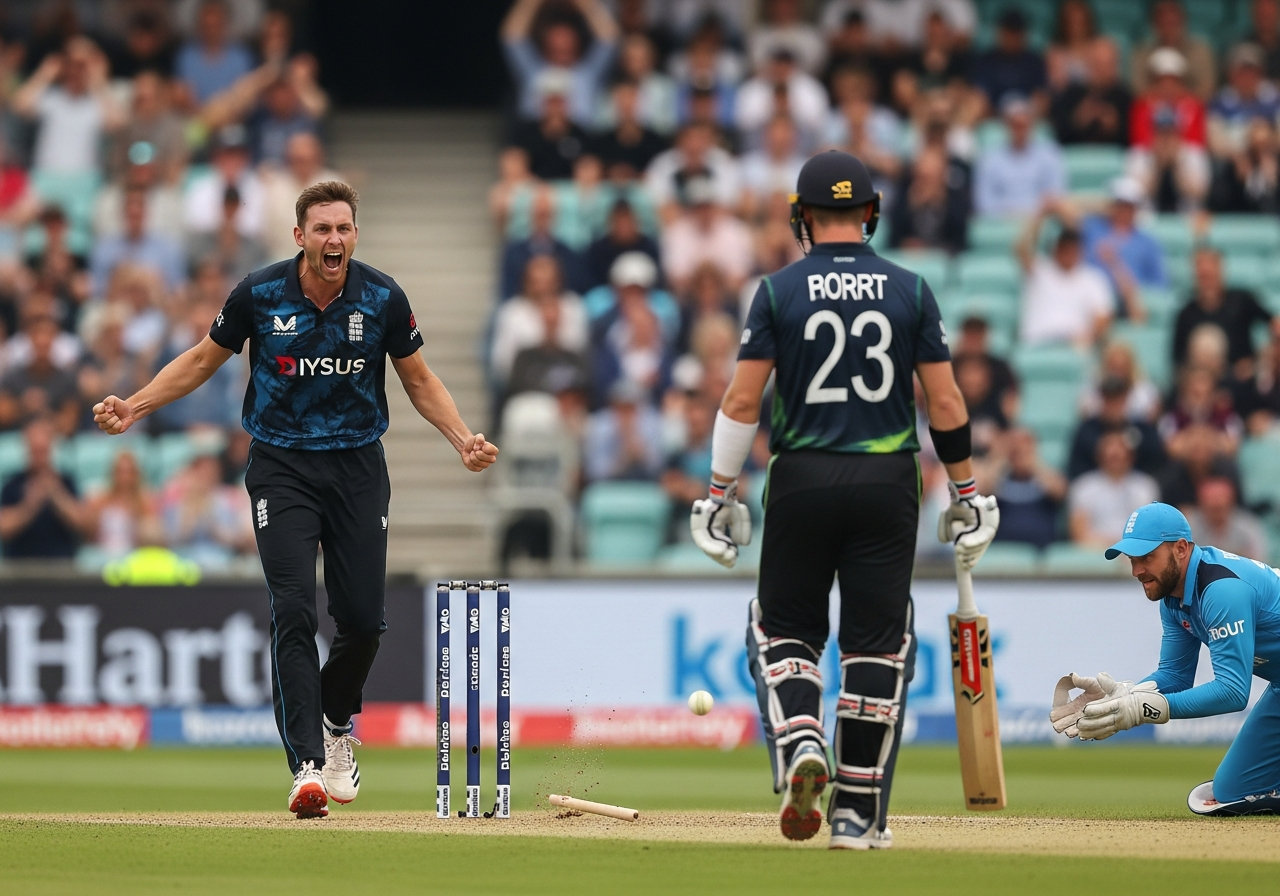
The powerplay in cricket represents the most explosive and unpredictable phase of any T20 or ODI match. For Indian bettors following the IPL, international matches, and domestic tournaments, these opening six overs offer unique betting opportunities that go beyond traditional run-scoring markets. The powerplay phase features specific fielding restrictions that create a perfect storm of aggressive batting and strategic bowling, making it an ideal period to focus on wicket-taking potential rather than just boundary-hitting statistics.
While most cricket betting content focuses heavily on run totals and team victories, the total wickets market during powerplay overs presents a distinctive angle for Indian punters. This market combines the technical aspects of new-ball bowling with the aggressive mindset of opening batters, creating scenarios where even the most explosive starts can quickly turn into batting collapses. Understanding how to read these patterns, especially in IPL conditions and against familiar Indian ground types, gives local bettors a significant edge in what remains one of cricket’s most volatile betting segments.
Understanding Powerplay and Total Wickets Markets for Indian Bettors
The powerplay phase in limited-overs cricket consists of the first six overs where only two fielders are allowed outside the 30-yard circle. This rule creates an attacking environment where batters feel compelled to score quickly, while bowlers must rely on skill rather than defensive field placements. For Indian bettors familiar with IPL dynamics, this translates into high-risk, high-reward scenarios where wickets can fall rapidly due to aggressive shot-making and quality bowling with the new ball.
Total wickets in powerplay markets differ significantly from traditional match betting or runs-based markets. Instead of predicting team scores or match winners, bettors focus exclusively on how many dismissals occur during these crucial opening overs. The market typically offers over/under lines ranging from 0.5 to 3.5 wickets, with bookmakers setting odds based on team composition, pitch conditions, and historical powerplay performance data.
What makes this market particularly appealing for Indian bettors is its independence from match outcomes. A team can lose the powerplay phase in terms of wickets but still win the match, or vice versa. This separation allows for more focused analysis on specific factors like opening bowler quality, batsman aggression levels, and venue-specific conditions that directly impact early wicket-taking opportunities.
The uniqueness of powerplay wickets betting lies in its short timeframe and concentrated action. Unlike full-match markets that depend on multiple variables over 40 or 120 overs, powerplay wickets are determined within 36 deliveries. This creates intense, fast-moving betting scenarios that align perfectly with the quick-fire nature of T20 cricket and the instant gratification preferences of modern Indian cricket fans.
How Powerplay Rules Shape Wicket-Taking Opportunities
The fielding restrictions during powerplay overs fundamentally alter the risk-reward equation for both batters and bowlers. With only two fielders permitted outside the inner circle, opening batsmen face increased pressure to capitalize on scoring opportunities, often leading to ambitious shot selection that creates dismissal chances. This pressure is amplified in T20 formats where teams need to maximize their powerplay advantage to set competitive totals.
Bowlers, deprived of defensive field settings, must rely heavily on pace, swing, and accuracy to prevent boundaries while creating wicket-taking opportunities. The new ball’s tendency to swing and seam in Indian conditions, combined with the absence of protective deep fielders, forces opening bowlers into aggressive lines and lengths. This tactical shift often results in either wickets or boundaries, with little middle ground – exactly the type of scenario that creates betting value in total wickets markets.
The psychological element cannot be overlooked, as batsmen know they must attack during powerplay overs when field restrictions are in their favor. This mindset leads to calculated risks that don’t always pay off, especially against quality new-ball bowlers who can exploit any technical weaknesses or momentary lapses in concentration.
Key Variants of Total Wickets in Powerplay Bets
- Over/Under Wickets Lines – Standard markets offering 0.5, 1.5, 2.5, or 3.5 total wickets with corresponding odds for over and under selections
- Team-Specific Wickets – Betting on wickets lost by individual teams during their powerplay, allowing for more targeted analysis based on specific batting lineups
- Combined Team Totals – Markets covering total wickets across both innings’ powerplay phases, ideal for matches where both teams have similar powerplay strengths or weaknesses
- Wickets Range Betting – Band-style markets offering options like 0-1 wickets, 2-3 wickets, or 4+ wickets with enhanced odds for precise predictions
- First Wicket Timing – Specialized markets predicting whether the first dismissal will occur within powerplay overs or later in the innings
- Powerplay Method of Dismissal – Advanced markets focusing on how wickets fall during powerplay, such as caught, bowled, or LBW categories
How Odds Work for Powerplay Wickets and What Influences Bookmakers
Bookmakers price powerplay wickets odds using sophisticated algorithms that analyze historical data, team composition, pitch reports, and weather conditions. The pricing process begins with baseline statistics showing average wickets per powerplay for specific venue types, then adjusts for current team form, player matchups, and external factors. Indian betting apps often incorporate IPL-specific data trends, giving local bettors access to odds that reflect domestic cricket patterns alongside international benchmarks.
The influence of recent form cannot be overstated in powerplay wickets pricing. A fast bowler coming off a series of early breakthroughs will see the “over” wickets lines tightened, while struggling opening partnerships might push bookmakers toward higher wicket expectations. Weather conditions, particularly humidity and overcast skies that aid swing bowling, create immediate odds adjustments that savvy Indian bettors can capitalize on.
Market dynamics also play a crucial role, as betting volume on specific outcomes influences real-time odds movements. During high-profile IPL matches, heavy betting action on “under” wickets markets might create value opportunities on the “over” side, especially when the betting public underestimates quality bowling attacks or overrates batting-friendly conditions.
| Market Type | Typical Line/Option | Risk Level | Payout Profile | When Indian Bettors Commonly Use It |
|---|---|---|---|---|
| Over/Under 1.5 Wickets | Over 1.85, Under 1.95 | Medium | Conservative returns | Regular IPL matches with balanced teams |
| Team Specific Wickets | 0-1 wickets at 2.50 | High | Enhanced odds | Strong opening partnerships vs weak bowling |
| Over 2.5 Wickets | 3.20 odds typical | High | High reward potential | Seaming pitches, quality pace attacks |
| Combined Innings Total | Over 3.5 at 2.75 | Very High | Maximum payout | Bowler-friendly conditions across both innings |
| Under 0.5 Wickets | 4.50+ odds range | Extreme | Jackpot potential | Flat pitches with elite opening partnerships |
Core Factors That Shape Powerplay Wickets Lines
- Match Format Intensity – T20 matches typically see more aggressive batting and higher wicket potential compared to ODI powerplays where batsmen can afford cautious starts
- Team Batting Philosophy – Aggressive teams like Mumbai Indians or Royal Challengers Bangalore in IPL tend to lose more powerplay wickets than conservative sides
- Opening Bowler Quality – The presence of swing specialists like Bhuvneshwar Kumar or pace threats like Jasprit Bumrah significantly influences wicket line pricing
- Weather and Atmospheric Conditions – Overcast skies, high humidity, and morning/evening matches often favor bowlers and push wicket lines higher
- Pitch Surface Characteristics – Fresh pitches with grass cover or venues known for early movement like Eden Gardens create more wicket-taking opportunities
- Recent Team Form Patterns – Teams on losing streaks often show tentative batting approaches, while confident sides take more risks in powerplay phases
- Head-to-Head Historical Data – Specific matchup trends between teams, particularly in IPL where teams face each other multiple times per season
Using Pitch, Weather and Venue Data to Predict Powerplay Wickets
Environmental factors play a decisive role in powerplay wicket outcomes, making pitch and weather analysis essential for Indian bettors targeting these markets. The relationship between surface conditions and early wicket-taking opportunities varies significantly across Indian venues, with some grounds consistently favoring bowlers during powerplay phases while others remain batting-friendly throughout the innings.
Successful powerplay wickets prediction requires understanding how different environmental combinations affect ball behavior and batting approaches. A grass-covered pitch under overcast conditions at venues like Mohali or Dharamshala creates entirely different wicket probabilities compared to dry, flat surfaces in Mumbai or Ahmedabad. These venue-specific patterns become particularly relevant during IPL seasons when teams play across diverse Indian conditions.
Weather timing also influences powerplay dynamics, as day-night matches often see different conditions between innings due to dew formation or changing light conditions. Evening powerplays in humid cities like Kolkata or Chennai can dramatically favor swing bowlers, while afternoon matches in dry climates might neutralize seam movement and reduce wicket-taking potential.
| Condition / Venue Type | Expected Runs Trend | Expected Wickets Trend | Best Powerplay Wickets Angle | Example Indian Ground Archetype |
|---|---|---|---|---|
| Fresh Green Pitch | Below Average | Above Average | Over 1.5 or 2.5 wickets | Mohali, Dharamshala |
| Flat Batting Surface | High Scoring | Below Average | Under 1.5 wickets | Wankhede, Chinnaswamy |
| Humid Coastal Conditions | Variable | Swing-Dependent | Team-specific analysis needed | Chennai, Mumbai |
| Overcast Conditions | Reduced | Enhanced | Over wickets regardless of venue | Eden Gardens in monsoon |
| Dew-Affected Evening | Second innings favored | First innings higher | Focus on first innings wickets | Delhi, Lucknow |
| Dry, Dusty Pitches | Batting-friendly early | Low in powerplay | Under markets preferred | Rajkot, Ahmedabad |
Reading Pitch Reports and Weather for Wicket Potential
Pitch reports released before match start contain crucial information about surface preparation and expected behavior patterns. Key phrases like “good grass cover,” “hard surface,” or “moisture underneath” provide direct insights into early wicket-taking potential. Grass coverage typically indicates seam movement and swing assistance for fast bowlers during powerplay overs, while terms like “dry surface” or “good for batting” suggest lower wicket probabilities.
Weather conditions must be evaluated in conjunction with pitch characteristics rather than isolation. A green pitch under sunny conditions might not offer the same swing assistance as the same surface under overcast skies. Humidity levels, wind direction, and temperature all influence ball movement patterns, with the combination of high humidity and cloud cover creating optimal conditions for powerplay wicket-taking.
Dew formation represents a critical factor in day-night matches across Indian venues. Evening dew can neutralize swing bowling and make catching more difficult, potentially reducing second-innings wicket chances while maintaining first-innings opportunities. Understanding venue-specific dew patterns helps Indian bettors identify matches where powerplay wickets might be concentrated in particular innings.
Venue-Level Powerplay Wickets Trends in Indian Leagues
Different Indian venues display consistent powerplay wicket patterns based on their geographical location, pitch preparation methods, and atmospheric conditions. Venues like Mohali and Dharamshala, situated in northern regions with different soil composition, regularly produce pitches that offer early movement and higher wicket rates during powerplay phases. These grounds have become synonymous with seam-friendly conditions that favor quality pace bowling.
Coastal venues such as Wankhede Stadium in Mumbai and MA Chidambaram Stadium in Chennai show contrasting patterns, with humidity levels and sea breeze affecting swing bowling in different ways. Mumbai’s Wankhede typically offers batting-friendly powerplay conditions due to its flat pitch nature, while Chennai’s tendency toward slower surfaces can sometimes create early wicket opportunities through mistimed shots rather than seam movement.
High-altitude venues like Bengaluru’s Chinnaswamy Stadium present unique challenges where the ball travels further but might not swing as much, creating scenarios where aggressive batting leads to wickets through miscalculated shots rather than bowling assistance. Understanding these venue-specific nuances allows Indian bettors to develop location-based strategies for powerplay wickets betting that account for consistent environmental factors.
Evaluating Opening Batters and Bowlers for Powerplay Wickets Bets
Player-level analysis forms the foundation of successful powerplay wickets betting, requiring detailed examination of individual batting and bowling statistics during the crucial first six overs. Opening batsmen’s powerplay dismissal rates, preferred scoring methods, and vulnerability to specific bowling types provide essential data for predicting wicket outcomes. Similarly, opening bowlers’ new-ball statistics, including wicket-taking frequency, economy rates, and success against different batting styles, directly influence powerplay wicket probabilities.
The key lies in understanding player matchups and historical performance patterns rather than overall career statistics. An opening batsman might have excellent overall numbers but show consistent weakness against swing bowling in powerplay conditions, while a bowler’s impressive wicket tally might be skewed toward middle-over dismissals rather than early breakthroughs. For Indian bettors following IPL and domestic cricket, this player-specific data becomes particularly valuable due to frequent matchups between familiar opponents.
Form and fitness factors also play crucial roles, as opening bowlers carrying minor injuries might lack the pace or swing necessary for early wickets, while batsmen returning from poor form often display tentative approaches that increase dismissal chances. Recent performance trends in powerplay situations often provide more predictive value than season-long averages, especially during tournament phases where confidence and momentum significantly impact player performance.
- Opening Batsman Powerplay Strike Rates – Higher strike rates typically correlate with increased wicket risk due to aggressive shot selection and elevated chance-taking
- Dismissal Method Patterns – Tracking whether batsmen frequently fall to catches, bowled, or LBW helps predict specific wicket-taking scenarios
- New Ball Bowling Averages – Bowlers’ specific statistics with the new ball during powerplay overs rather than overall match figures
- Swing vs Pace Bowling Effectiveness – Conditions-based analysis of whether bowlers rely on movement or raw pace for powerplay wickets
- Left-Right Hand Combination Analysis – How opening partnerships handle different bowling attack combinations and field placements
- Pressure Situation Performance – Player statistics in high-stakes matches, playoffs, or must-win scenarios where powerplay approach changes
- Recent Form Trajectories – Short-term performance trends over the last 5-10 powerplay encounters rather than season averages
Head-to-Head Matchups: Openers vs New-Ball Bowlers
| Data Point | What to Look For | How It Affects Wickets Bet | Example Interpretation |
|---|---|---|---|
| Historical Dismissals | Frequency of specific bowler dismissing particular batsman | Increases over wickets confidence | Bumrah vs Warner: 4 dismissals in 8 encounters |
| Batting Average Against | Runs per dismissal in head-to-head powerplay encounters | Low averages suggest higher wicket probability | Average below 15 indicates vulnerability |
| Bowling Speed Preference | Batsman success rate against different pace ranges | Matches bowling strength to batting weakness | Struggles against 140+ kph supports wicket bet |
| Recent Form Differential | Current form comparison between player types | Favor bowler form over batting form | In-form bowler vs struggling opener |
| Venue-Specific Performance | Success rates at particular grounds | Combines player and venue factors | Swing bowler at Mohali vs flat-track bully |
Core Strategies for Betting on Total Wickets in the Powerplay from India
Developing a systematic approach to powerplay wickets betting requires combining multiple analytical layers into a coherent pre-match framework. Successful Indian bettors typically start with venue and conditions analysis, then layer player matchup data and recent form trends to identify value opportunities. The key is maintaining consistent methodology while adapting to the specific characteristics of different tournament formats and playing conditions commonly encountered in Indian cricket.
The most effective strategies focus on identifying mismatched expectations between bookmaker odds and actual wicket probabilities based on current conditions and player forms. This often involves contrarian thinking, where heavily-backed batting lineups might actually offer value on the “over” wickets side if bowling conditions are favorable or if aggressive batting approaches increase risk levels beyond public perception.
Timing and market selection become crucial elements, as powerplay wickets markets often show significant odds movement based on team news, weather updates, and pitch reports released closer to match start. Indian bettors with access to local weather information and ground conditions often gain advantages in identifying value before odds adjust to reflect these factors.
Risk management and stake sizing require particular attention in powerplay markets due to their high variance nature. Even well-researched bets can fail due to individual brilliance or luck, making proper bankroll management essential for long-term success. The concentrated action within six overs means that single events can dramatically alter outcomes, requiring betting strategies that account for this volatility.
Step-by-Step Pre-Match Process for Powerplay Wickets Bets
- Venue and Conditions Assessment – Check pitch report, weather forecast, and historical powerplay wicket averages for the specific ground and conditions combination
- Team News and Lineup Analysis – Verify opening batting partnerships and new-ball bowling options, noting any late changes or injury concerns that might affect powerplay performance
- Recent Form Evaluation – Review last 5-7 powerplay performances for key players, focusing on wicket-taking and wicket-losing patterns rather than overall match results
- Head-to-Head Matchup Research – Analyze specific battles between opening bowlers and batsmen, particularly in similar conditions or recent encounters
- Market Value Identification – Compare your wicket probability assessment against available odds across multiple bookmakers to identify value opportunities
- Toss Impact Consideration – Plan for different scenarios based on toss outcomes, as batting first vs second can significantly affect powerplay approaches
- Stake Sizing and Risk Management – Determine appropriate bet size based on confidence level and bankroll management principles for high-variance markets
Common Mistakes Indian Bettors Make with Powerplay Wickets
- Overvaluing Big Names – Betting on famous players without considering their specific powerplay statistics or current form in early overs situations
- Ignoring Venue Factors – Applying generic strategies without accounting for ground-specific conditions that heavily influence powerplay wicket rates
- Chasing High Odds – Repeatedly backing unlikely outcomes like 4+ wickets or 0 wickets without proper analysis supporting these extreme scenarios
- Emotional IPL Bias – Letting team preferences influence objective analysis, particularly when favorite teams have poor powerplay records
- Weather Timing Errors – Failing to check updated weather conditions close to match start, missing opportunities created by changing atmospheric conditions
- Inadequate Bankroll Management – Using stakes that are too high for the volatility of powerplay markets, leading to unsustainable losses during inevitable downswings
Live and In-Play Betting on Powerplay Wickets from India
In-play powerplay wickets betting offers unique opportunities for Indian bettors who can react quickly to changing match situations during the crucial first six overs. Unlike pre-match betting, live markets allow for real-time assessment of bowling effectiveness, batting approaches, and immediate conditions that become apparent only after play begins. The fast-paced nature of powerplay phases creates rapidly shifting odds that skilled bettors can exploit with proper preparation and quick decision-making.
The key to successful live powerplay betting lies in recognizing early indicators that suggest higher or lower wicket probability than initially expected. Factors such as visible swing movement, aggressive batting intent, or bowling accuracy issues become apparent within the first few deliveries, often before odds fully adjust to reflect these developments. Indian bettors watching live coverage can gain significant advantages by identifying these patterns early.
Technology and mobile betting apps have made live powerplay wagering increasingly accessible for Indian bettors, with real-time odds updates and multiple market options available throughout the six-over period. However, the compressed timeframe requires disciplined approach and pre-planned strategies to avoid impulsive decisions during the excitement of live action.
| Live Scenario | What Often Happens Next | Potential Wickets Bet | Risk Consideration |
|---|---|---|---|
| Visible Swing in First Over | Continued movement and wicket chances | Over 1.5 wickets if available | Batsmen might adapt quickly |
| Early Wicket Falls | Confidence boost for bowlers, pressure on new batsman | Over remaining wickets line | Established batsman might settle |
| Aggressive Batting Start | Increased chance-taking and potential mistakes | Over wickets if aggression continues | Good batting might sustain attack |
| Bowlers Struggling for Line | Batting becomes easier, fewer wicket chances | Under remaining wickets | Bowling plans might improve |
| Field Changes Early | Captain adjusting to conditions or batting approach | Assess direction of changes | Defensive changes reduce wicket chances |
| Weather Change During Powerplay | Immediate impact on ball movement and visibility | Quick reaction needed based on conditions | Temporary changes might not sustain |
Timing Your In-Play Entry and Exit on Wickets Markets
- First Over Assessment Window – Use the initial 6 deliveries to gauge bowling effectiveness and batting intent before committing to live bets, as early movement often indicates continued opportunities
- Post-Wicket Opportunity Recognition – Enter additional wicket markets immediately after early dismissals when bowler confidence peaks and new batsmen face pressure situations
- Mid-Powerplay Exit Strategies – Consider cashing out or hedging positions around the 4th over mark if initial analysis proves incorrect, as remaining overs might not provide recovery opportunities
- Weather-Based Quick Entries – React immediately to visible condition changes like increased cloud cover or wind shifts that weren’t apparent pre-match
- Momentum Shift Recognition – Exit positions when clear momentum shifts occur, such as bowlers finding rhythm after early struggles or batsmen settling after nervous starts
Risk Management, Bankroll Control and Responsible Gambling
- Unit Size Limitations – Never risk more than 2-3% of total bankroll on single powerplay wickets bets due to high variance and unpredictable nature of early overs
- Session Limits – Set maximum daily or weekly limits specifically for powerplay markets to prevent chasing losses during inevitable downswings in these volatile markets
- Diversification Principles – Spread powerplay wickets bets across different matches and market types rather than concentrating on single games or repeated similar bets
- Emotional Control Techniques – Develop pre-planned responses to both winning and losing streaks, avoiding the temptation to increase stakes during hot streaks or chase losses after cold periods
- Record Keeping Requirements – Maintain detailed logs of powerplay bets including reasoning, outcomes, and lessons learned to identify profitable patterns and costly mistakes
- Break Scheduling – Take regular breaks from powerplay betting, especially after significant wins or losses, to maintain objective decision-making ability
- Support System Utilization – Use responsible gambling tools offered by Indian betting apps, including deposit limits, session timers, and self-exclusion options when needed
Structuring Your Bankroll Around High-Variance Powerplay Markets
Powerplay wickets markets exhibit extreme variance due to their short timeframe and multiple random factors that can influence outcomes within just 36 deliveries. This volatility requires conservative bankroll management approaches that can withstand extended losing periods even when analysis and strategy remain sound. Professional bettors typically allocate no more than 15-20% of their total cricket betting bankroll specifically to powerplay markets, with individual bet sizes rarely exceeding 1-2% of the total bankroll regardless of perceived confidence levels.
The boom-and-bust nature of powerplay betting means that successful strategies might show poor results over short samples before demonstrating profitability over longer periods. Indian bettors should prepare for sequences of 10-15 losing bets even with sound analytical approaches, making it essential to use stake sizes that can absorb these inevitable downswings without depleting the bankroll or forcing desperate chase behavior.
Diversification becomes particularly important in powerplay markets, as concentrating on specific teams, venues, or market types can create dangerous exposure to systematic errors or unusual conditions. Spreading bets across different IPL teams, various Indian venues, and multiple powerplay market types helps smooth variance while maintaining opportunities to exploit identified edges in the betting markets.
Red-Flag Behaviours and How to Stay in Control
- Chasing Immediate Losses – Increasing bet sizes or betting frequency after losing powerplay bets, driven by desire to recover losses quickly from subsequent matches
- Over-Confidence After Wins – Dramatically increasing stakes following successful powerplay predictions, ignoring the high variance nature that makes wins partially luck-dependent
- Emotional Team Bias – Consistently betting on favorite IPL teams’ powerplay performance without objective analysis, letting fandom override analytical judgment
- Session Extension Patterns – Continuing to bet beyond planned stopping points, particularly during live matches when adrenaline and excitement override rational decision-making
- Neglecting Other Life Areas – Spending excessive time analyzing powerplay statistics or watching matches primarily for betting rather than entertainment value
- Borrowing to Bet – Using credit cards, loans, or borrowed money to fund powerplay betting activities, indicating that stakes have exceeded affordable levels
Applying Powerplay Wickets Strategies to IPL and Major T20 Tournaments
The IPL provides the ideal laboratory for testing and refining powerplay wickets strategies due to its concentrated schedule, familiar venues, and consistent team compositions throughout the tournament. Indian bettors gain significant advantages from following the same teams and players across multiple matches, building deep understanding of individual powerplay tendencies and team tactical approaches. The tournament’s format allows for pattern recognition that becomes valuable as the season progresses and playoff pressure intensifies.
Major T20 tournaments like the World Cup or Asia Cup present different challenges and opportunities, as teams face unfamiliar conditions and opponents while dealing with varying levels of preparation and form. These tournaments often feature more cautious batting approaches during powerplay phases, particularly in knockout stages where early wickets can determine match outcomes. Understanding how team strategies evolve from league phases to elimination matches becomes crucial for successful powerplay wickets betting.
The scheduling intensity of major tournaments also affects player form and fitness, with opening bowlers potentially losing pace or swing effectiveness as tournaments progress, while batting partnerships might become more settled and defensive. Indian bettors should adjust their powerplay wickets strategies to account for these tournament-specific factors while maintaining core analytical principles developed through IPL experience.
| Competition / Context | Typical Powerplay Style | Average Wickets Tendency | Strategic Betting Angle for Indian Users |
|---|---|---|---|
| IPL League Phase | Aggressive, experimental | Above average | Focus on over wickets, especially strong bowling attacks |
| IPL Playoffs | More cautious, calculated | Slightly below average | Under wickets often provides value |
| T20 World Cup Group | Balanced approach | Variable by conditions | Emphasize venue and weather analysis |
| T20 World Cup Knockouts | Conservative, risk-averse | Below average | Under markets preferred unless bowling conditions exceptional |
| Bilateral T20 Series | Experimental lineups | Higher variance | Team news and debut players critical factors |
| SMAT/Domestic T20 | Aggressive due to exposure needs | Above average | Over wickets, focus on unknown player matchups |
| End of Tournament Fatigue | Tired bowling, settled batting | Reduced wicket-taking | Under wickets as tournament progresses |
Adapting to Format and Schedule: League Phases vs Knockouts
The transition from league to knockout phases fundamentally alters team approaches to powerplay batting and bowling, requiring significant strategy adjustments for wickets betting. During league phases, teams often use powerplay overs for experimentation, testing new partnerships, batting orders, or bowling combinations that create unpredictable wicket scenarios. Players feel more freedom to take risks knowing that single-match failures won’t immediately end their tournament, leading to more aggressive approaches that typically increase wicket-taking opportunities.
Knockout phases introduce psychological pressure that tends to make both batsmen and bowlers more conservative during powerplay overs. Opening partnerships prioritize building platforms rather than explosive starts, while bowlers focus on tight lines rather than wicket-taking deliveries. This shift often reduces powerplay wicket rates below tournament averages, making “under” bets more attractive unless external factors like pitch conditions strongly favor bowlers.
The stakes elevation in knockout matches also affects player decision-making under pressure, with some individuals rising to occasions while others struggle with the intensity. Indian bettors should pay particular attention to players’ historical knockout performance in powerplay situations, as these high-pressure scenarios often reveal consistent patterns that differ from regular league match statistics.