
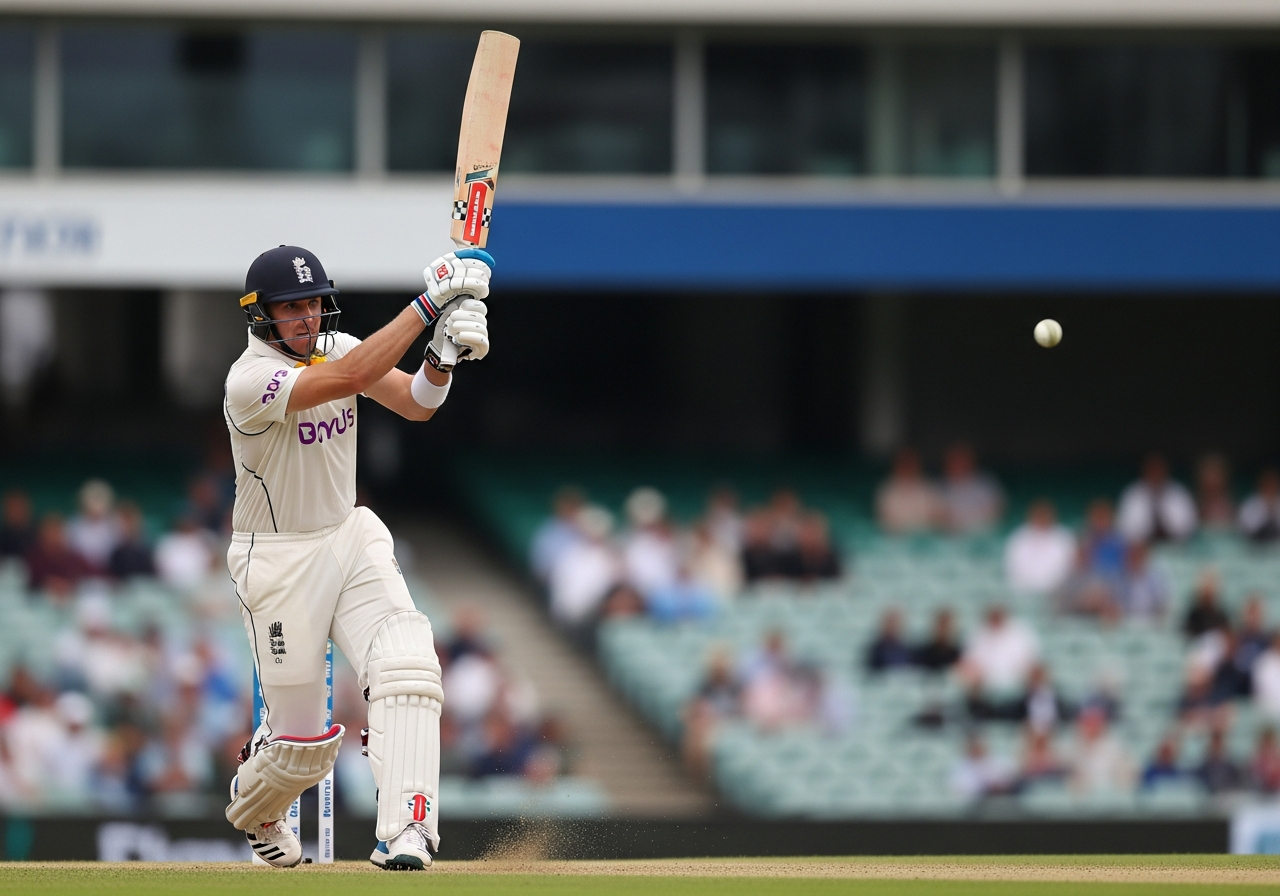
India stands as the epicentre of six-hitting across all cricket formats, making total sixes in an innings one of the most compelling and popular betting markets available to punters. The subcontinent’s explosive batting culture, combined with boundary-friendly conditions and fearless stroke-makers, creates an environment where sixes flow more freely than anywhere else in world cricket.
When examining the numbers that shape betting expectations, India’s remarkable 19 sixes in a single T20 World Cup match stands as a benchmark that bookmakers reference when setting lines. The IPL consistently produces single-innings records that defy conventional wisdom, while even Test matches in India can witness unexpected six-hitting sprees that catch both spectators and betting markets off guard. For bettors focusing on total sixes markets, understanding these patterns and the unique factors that drive six-hitting in Indian conditions becomes essential for identifying value and managing the inherent volatility of these markets.
How Total Sixes in an Innings Betting Works from India
Betting on total sixes in matches featuring India or held on Indian soil operates through several distinct market types, each with specific rules and settlement criteria. The fundamental concept revolves around predicting the number of sixes that will be hit during a specified period, whether that’s a complete innings, a team’s batting effort, or individual player performance. Bookmakers typically offer over/under lines, exact totals, or banded ranges that reflect the expected six-hitting output based on historical data and current conditions.
Sky Bet-style rules form the foundation for how these markets are settled, with only legitimate boundary sixes off the bat counting toward the total. Crucially, runs scored through extras, overthrows, or any means other than the ball crossing the boundary rope after being struck by the batsman are excluded from the count. This distinction becomes particularly important in high-stakes matches where every six matters to the settlement of bets.
The complexity increases when considering different market variations available to Indian bettors. Team-specific totals focus solely on sixes hit by one side, while combined totals incorporate both teams’ six-hitting output. Tournament-wide markets allow bettors to accumulate sixes across multiple matches, creating longer-term betting opportunities that can span entire IPL seasons or international series.
| Market type | What it means | Example with an India innings | Key risk for bettors |
|---|---|---|---|
| Team total sixes | Sixes hit by one team only | India hits 12 sixes vs Australia, line set at 9.5 | Early wickets can kill six-hitting potential |
| Match total sixes | Combined sixes from both teams | India vs England produces 18 sixes, line at 15.5 | One-sided matches reduce overall output |
| Player total sixes | Individual batsman’s six count | Rohit Sharma over 2.5 sixes in T20I | Single dismissal ends all potential |
| Innings phase sixes | Sixes in specific overs (e.g., powerplay) | India hits 4 sixes in first 6 overs vs Pakistan | Conservative batting approach limits output |
| Tournament specials | Cumulative sixes across multiple matches | Most sixes in IPL 2024 season by any team | Long-term variance and injury impacts |
Key Definitions for Sixes Markets in India
Understanding the specific terminology used in Indian sixes betting markets ensures clarity when placing wagers and interpreting settlement outcomes. Total sixes refers to the cumulative count of maximum hits during a specified period, while team sixes isolates the output to one side only. Fixed over/under lines present a decimal number (like 8.5 sixes) that eliminates the possibility of a push, forcing a clear win or loss outcome for bettors.
Banded range markets offer an alternative approach, presenting brackets such as 6-8 sixes, 9-11 sixes, or 12+ sixes for an innings. These markets often provide better odds for bettors who prefer wider target ranges rather than precise predictions. An example from recent India cricket might involve the 2023 World Cup match against South Africa, where India’s explosive middle-order hitting produced 11 sixes, landing squarely in the 9-11 sixes band that many astute bettors targeted.
The distinction between innings-specific and match-specific totals becomes crucial when analyzing betting opportunities. Innings-specific markets focus on one team’s batting effort, while match totals combine both teams’ contributions. This difference significantly impacts the mathematical approach to evaluating lines and identifying value, particularly in formats where one team might dominate the six-hitting statistics.
Typical Rules on Extras, Super Overs and Reduced Overs
Weather interruptions and match format changes create specific scenarios that affect how sixes markets are settled, with Indian conditions frequently testing these rules during monsoon season. When rain reduces overs, most bookmakers apply proportional adjustments to total sixes lines, though the exact methodology varies between operators. For instance, if an IPL match is reduced from 20 overs to 15 overs per side, the total sixes line might be adjusted downward by approximately 25%, though this isn’t always a linear calculation.
Super overs present unique settlement challenges, as these high-intensity periods often produce disproportionate six-hitting relative to regular overs. Most leading bookmakers include super over sixes in their final tallies, which can significantly impact settlement outcomes. The 2019 World Cup final’s super over, while not involving India directly, exemplifies how these dramatic finishes can swing sixes betting results in unexpected directions.
Bookmakers typically establish clear policies regarding abandoned matches, with most requiring a minimum number of overs to be completed for bets to stand. In the Indian context, where weather delays are common during certain seasons, understanding these minimum completion requirements helps bettors assess the risk of void settlements when conditions look threatening.
Indian Six-Hitting Records That Shape Total Sixes Lines
The extraordinary six-hitting records established in Indian cricket create benchmarks that bookmakers use when setting lines, though these headline figures can sometimes skew public perception and create betting opportunities. India’s 19 sixes against South Africa in the 2007 T20 World Cup remains a gold standard that influences expectations, even though such explosive performances represent statistical outliers rather than typical outcomes. These record-breaking displays often lead to inflated public expectations and corresponding adjustments in betting lines.
IPL records provide the most comprehensive database for understanding six-hitting patterns in Indian conditions, with single innings totals occasionally reaching the mid-teens for individual teams. Royal Challengers Bangalore’s historically high-scoring matches at Chinnaswamy Stadium have produced some of the competition’s most six-heavy innings, creating a reputation that bookmakers factor into their ground-specific line adjustments. These patterns become particularly relevant when the same teams return to these venues in subsequent seasons.
Test match six-hitting in India presents a different dynamic entirely, with traditional longer-format cricket occasionally interrupted by explosive batting displays that catch markets unprepared. The contrast between typical Test innings totals (often 2-4 sixes) and outlier performances (sometimes reaching double digits) creates significant variance in betting outcomes that punters must account for when engaging with these markets.
Understanding how these records influence current market pricing helps identify situations where bookmakers may be over-correcting based on exceptional historical performances. The key lies in recognizing when headline statistics represent genuine shifts in six-hitting trends versus one-off anomalies that shouldn’t heavily influence future projections.
| Competition/format | Record sixes in an innings | Team(s) involved | Venue in India | Implication for total sixes betting |
|---|---|---|---|---|
| T20 International | 19 sixes | India vs South Africa | Johannesburg (away record) | Sets unrealistic public expectations for T20I lines |
| IPL single innings | 17 sixes | Royal Challengers Bangalore | M. Chinnaswamy Stadium | Inflates expectations for Bangalore home matches |
| ODI in India | 15 sixes | India vs Australia | Rajkot | Demonstrates potential for ODI six-fests in India |
| Test match innings | 12 sixes | South Africa vs India | Chennai | Rare outlier that skews Test sixes market perception |
| Women’s T20I | 8 sixes | India Women | Mumbai | Creates baseline for women’s cricket sixes markets |
Using Historical Sixes Data from India in Your Pre-Match Analysis
Effective pre-match analysis requires a systematic approach to historical sixes data that accounts for venue-specific patterns while avoiding the trap of overweighting exceptional performances. Start by establishing venue averages across different formats, using data from at least the past two seasons to capture current ground characteristics and boundary dimensions. Eden Gardens, for instance, typically produces different six-hitting patterns compared to smaller venues like Sharjah or Chinnaswamy, and these differences should form the foundation of your analytical framework.
The critical mistake many bettors make involves allowing record-breaking matches to disproportionately influence their projections. When Royal Challengers Bangalore scored 263 runs with 17 sixes in an IPL match, this performance represented an extreme outlier that shouldn’t heavily weight future expectations. Instead, focus on median and 75th percentile outcomes to build more realistic projections that account for the high-scoring potential while remaining grounded in typical performance ranges.
Weather conditions and seasonal factors in Indian cricket create additional variables that historical analysis must incorporate. Dew during night matches, particularly in northern Indian venues during winter months, can significantly impact bowling effectiveness and consequently increase six-hitting frequency. Tracking these environmental patterns alongside pure performance statistics provides a more comprehensive foundation for pre-match assessment.
Consider the evolution of batting approaches when analyzing historical data, as strike rates and six-hitting frequencies have generally increased across all formats over recent years. Data from 2020-2021 may be less relevant than more recent performances, particularly in T20 formats where tactical approaches continue evolving rapidly. Weight recent seasons more heavily while using older data primarily for long-term trend identification rather than direct projection purposes.
Key Factors That Drive Sixes in Indian Conditions
The unique combination of environmental and structural factors in Indian cricket creates conditions that consistently favor six-hitting across multiple formats. Ground dimensions play the most fundamental role, with venues like Chinnaswamy Stadium featuring shorter boundaries that transform borderline shots into maximum rewards. Conversely, larger grounds like Eden Gardens require more precise timing and power, naturally suppressing six-hitting totals compared to their smaller counterparts.
Pitch characteristics across Indian venues vary dramatically, from the traditionally spin-friendly surfaces of Chennai to the batting paradises often prepared for IPL matches in Mumbai. The type of soil, grass coverage, and preparation methods directly influence ball behavior, with harder pitches generally providing better carry for aerial shots. Understanding these venue-specific tendencies helps predict whether conditions favor the aggressive stroke-play that produces high six counts.
The strength and composition of batting line-ups creates perhaps the most variable factor in six-hitting projections. Teams featuring multiple power-hitters like Mumbai Indians or Chennai Super Kings naturally produce higher six counts than sides built around accumulation and rotation. Player matchups become crucial, particularly when analyzing how specific batsmen perform against certain bowling styles in Indian conditions.
Weather patterns, especially the impact of dew in evening matches, fundamentally alter the balance between bat and ball throughout Indian cricket seasons. The late-season IPL matches often see dramatic increases in six-hitting during the second innings as dew makes gripping and bowling increasingly difficult. These environmental shifts can turn modest first-innings totals into high-scoring affairs that catch unprepared betting markets off guard.
- Stadium boundary dimensions ranging from 60-70 meters affecting six-hitting probability
- Pitch hardness and grass coverage determining ball carry and bounce characteristics
- Team batting depth and power-hitter concentration in playing eleven selection
- Weather conditions including humidity, wind direction, and dew formation timing
- Bowling attack composition balancing pace, spin, and defensive capabilities
- Match situation pressure affecting batsmen’s willingness to attempt aerial shots
- Format-specific tactical approaches influencing risk-taking and shot selection
Venue and Boundary Size Across Major Indian Grounds
The diversity in boundary dimensions across Indian cricket venues creates significant variance in six-hitting potential that astute bettors can exploit when bookmakers fail to adequately adjust their lines. Chinnaswamy Stadium’s notably short boundaries (approximately 60-65 meters) transform shots that would be routine catches at larger venues into comfortable sixes, naturally inflating totals compared to national averages. This characteristic becomes particularly pronounced during IPL matches when aggressive batting approaches combine with favorable dimensions.
Understanding which formats are typically played at each venue helps predict the likely approach teams will adopt. Grounds that regularly host T20 matches tend to prepare pitches that favor batting, while Test venues often provide more balanced surfaces that may suppress six-hitting despite their larger dimensions allowing for longer boundaries. The interaction between ground size and typical match formats creates venue-specific patterns that experienced bettors incorporate into their analysis.
The positioning of floodlights, wind patterns, and even crowd proximity can influence six-hitting patterns at specific venues. Wankhede Stadium’s unique characteristics during evening matches, combined with sea breeze effects, create conditions that experienced local players understand better than visiting teams. These micro-factors rarely appear in basic statistical analysis but can provide edges for bettors who invest time in understanding venue-specific nuances.
| Stadium | Approx. boundary size | Typical format (IPL/Test/T20I) | Six-hitting profile (low/medium/high) |
|---|---|---|---|
| M. Chinnaswamy Stadium | 60-65 meters | IPL primary venue | High |
| Eden Gardens | 70-75 meters | Test and ODI venue | Medium |
| Wankhede Stadium | 65-70 meters | IPL and international | High |
| Feroz Shah Kotla | 65-70 meters | All formats | Medium |
| MA Chidambaram | 70-75 meters | Test primary, some IPL | Low-Medium |
Impact of Bowling Attacks and Match-Ups on Sixes
The composition and quality of bowling attacks fundamentally shape six-hitting opportunities, with pace-heavy attacks typically providing more boundary opportunities than well-balanced units featuring quality spinners. Indian conditions historically favor spin bowling, particularly in longer formats, but the evolution of batting techniques has somewhat neutralized this advantage. Modern batsmen’s improved ability to hit spin bowling for six has altered traditional assumptions about match-ups and created new patterns that betting markets are still adjusting to accommodate.
Specific bowler-batsman matchups carry particular significance in the Indian context, where players face each other regularly across multiple tournaments and formats. Rohit Sharma’s documented success against certain types of pace bowling, or Virat Kohli’s approach to specific spinners, creates predictable patterns that informed bettors can exploit when these matchups occur in favorable conditions. The key lies in identifying which historical patterns remain relevant versus those that have shifted due to tactical evolution or changing physical capabilities.
Types of Total Sixes Markets Available to Indian Bettors
The expansion of cricket betting markets has created numerous ways for Indian punters to engage with six-hitting predictions, ranging from simple over/under propositions to complex multi-faceted wagers that span entire tournaments. Traditional innings-specific total sixes markets remain the most popular, offering straightforward predictions about whether a team will exceed a predetermined six count during their batting allocation. These markets typically feature half-point lines to eliminate push scenarios and create clear settlement outcomes.
Player-level six betting has gained significant traction, particularly during high-profile tournaments like the IPL where individual performances drive substantial public interest. These markets often focus on established power-hitters like MS Dhoni, Hardik Pandya, or visiting international stars, with bookmakers setting personalized lines based on recent form, venue characteristics, and opposition bowling quality. The volatility inherent in individual performance betting creates both opportunity and risk that requires careful bankroll management.
Combined team totals present another popular option, aggregating sixes from both sides to create higher total lines that may appeal to bettors expecting generally favorable batting conditions. Tournament specials extend the timeframe significantly, allowing punters to back cumulative performances across entire competitions. These longer-term markets reduce the impact of single-match variance while requiring sustained analysis of squad rotation, player fitness, and evolving tournament conditions.
- Team-specific innings totals with over/under lines typically ranging from 6.5 to 12.5 sixes depending on format and conditions
- Individual player six counts featuring personalized lines based on recent form and historical venue performance
- Match aggregate totals combining both teams’ six-hitting output for higher overall numbers
- Phase-specific markets covering powerplay sixes, middle overs, or death over periods within innings
- Tournament accumulator markets tracking total sixes across entire competitions like IPL or World Cup campaigns
- Head-to-head player comparisons pitting power-hitters against each other in direct six-counting contests
- Milestone markets offering enhanced odds for exceptional performances like 20+ match sixes or 8+ individual sixes
Live and Session Betting on Sixes During India Matches
In-play sixes betting transforms the traditional pre-match analysis into dynamic, real-time decision making that capitalizes on shifting match conditions and momentum changes. The unique characteristics of Indian cricket, particularly the impact of dew in evening matches, create specific windows of opportunity that experienced live bettors learn to identify and exploit. As conditions change throughout a match, bookmakers adjust their lines, sometimes creating temporary value for astute punters who understand the environmental factors at play.
Session betting allows for more targeted predictions within specific phases of play, such as predicting sixes in the next five overs or during particular bowling changes. These markets require rapid assessment of current match dynamics, including batsmen’s comfort levels, bowling changes, and field placements. The ability to observe body language, shot selection, and momentum shifts provides live bettors with information unavailable during pre-match analysis.
The challenge of live sixes betting lies in the speed of decision-making required and the rapidly changing odds that reflect real-time developments. Successful live bettors develop systematic approaches to quickly evaluate whether current conditions favor increased or decreased six-hitting, allowing them to act decisively when opportunities arise. Understanding how different Indian venues behave as matches progress becomes crucial knowledge for consistent success in these markets.
| In-play sixes market | Typical scenario in India | What changes the line | Key risk |
|---|---|---|---|
| Next 10 overs sixes | Middle overs in IPL chase | Required run rate, wickets lost | Conservative batting approach |
| Death overs sixes (16-20) | T20I final push with dew | Dew formation, bowling changes | Early wickets ending aggression |
| Current batsman sixes | Rohit Sharma at Wankhede | Strike rotation, bowler matchups | Single ball dismissal |
| Powerplay sixes remaining | India chasing in ODI | Field restrictions, bowling quality | Cautious approach to preserve wickets |
Data-Driven Strategies for Betting on Total Sixes in India
Successful sixes betting requires a systematic approach that combines historical performance data with real-time conditions assessment to identify value opportunities that bookmakers may have missed or mispriced. The foundation lies in building comprehensive databases that track venue-specific averages across different formats, adjusting for variables like team composition, bowling attack quality, and seasonal conditions. This analytical framework must account for the inherent volatility in six-hitting while identifying patterns that provide genuine predictive value.
Adjusting base projections for current variables separates successful bettors from those who rely purely on historical averages. Factors like player form trajectories, recent injury returns, tactical changes, and opposition-specific matchups all influence six-hitting probability in ways that season-long averages might obscure. The key lies in developing systematic approaches to weighing these adjustments against base expectations without over-correcting for short-term variance.
Avoiding biases from record-breaking performances represents one of the most critical discipline challenges in sixes betting. When Mumbai Indians score 15 sixes in an IPL match, this performance can unduly influence future expectations and lead to consistently betting over on similar matchups. Successful bettors learn to contextualize exceptional performances within broader statistical frameworks, using them to understand potential ceilings rather than shifting baseline projections.
The development of player-specific models adds another layer of sophistication to six-betting analysis. Understanding individual batsmen’s venue preferences, format-specific approaches, and seasonal patterns helps predict when conditions align for above-average six-hitting performances. These models become particularly valuable in tournament settings like the IPL where the same players face each other repeatedly across multiple seasons.
Risk management in high-variance markets like sixes betting requires careful attention to unit sizing and correlation effects. Six-hitting performances often cluster within individual matches or tournaments, creating streaks that can quickly deplete bankrolls if position sizing isn’t properly controlled. Successful bettors develop systematic approaches to managing these risks while maintaining the position sizes necessary to capitalize on genuine edges when they arise.
Practical Sixes Betting Tips for India-Based Punters
- Track venue-specific averages over the past two seasons rather than all-time records to account for evolving batting approaches
- Factor weather conditions, particularly dew formation timing in evening matches that can dramatically alter six-hitting frequency
- Avoid chasing losses after unpredictable high or low six-hitting matches that fall outside normal variance ranges
- Focus on match situations where aggressive batting is required rather than games where accumulation might be preferred
- Monitor team news for power-hitter availability and batting order changes that significantly impact six-hitting potential
- Consider bowling attack composition, particularly the presence of quality spinners who historically suppress six-hitting in Indian conditions
- Use smaller unit sizes for individual player six markets compared to team totals to account for single-dismissal risk
Managing Bankroll and Variance in High-Sixes Environments
The inherent volatility of six-hitting creates bankroll management challenges that require specific attention to unit sizing and correlation effects across different types of sixes markets. Successful bettors typically use smaller unit sizes for sixes betting compared to more predictable markets, recognizing that even well-researched positions can fail due to early wickets, conservative batting approaches, or exceptional bowling performances. A general recommendation involves limiting sixes betting to 1-2% of bankroll per wager, with individual player markets requiring even smaller stakes.
High-variance environments like IPL playoff matches or India-Pakistan encounters require additional caution due to the combination of pressure situations and potentially inflated public betting that skews lines. These marquee occasions often feature conservative batting approaches that contradict the aggressive six-hitting that casual bettors expect, creating opportunities for contrarian positions while requiring discipline to avoid larger stakes on seemingly obvious opportunities that may not materialize.
Format-Specific Sixes Betting: T20, IPL and Tests in India
The fundamental differences between cricket formats create distinct six-hitting patterns that require format-specific analytical approaches and betting strategies. T20 internationals typically produce the highest six-per-over ratios due to their compressed timeframe and aggressive tactical requirements, with India’s explosive batting lineup often exceeding 8-12 sixes per innings in favorable conditions. The IPL adds franchise dynamics and player auction strategies that concentrate power-hitting talent in specific teams, creating predictable patterns that bookmakers and bettors can exploit.
Test matches present entirely different dynamics, where six-hitting often represents either exceptional individual performances or specific match situations like tail-end hitting or declaration batting. The rarity of high six counts in Tests creates opportunities for value betting when conditions strongly favor aggressive play, though these situations require careful identification to avoid backing outlier performances that rarely materialize.
ODI cricket in India occupies middle ground between the aggressive requirements of T20 formats and the patient accumulation typical of Tests. The 50-over format allows for phases of consolidation followed by aggressive acceleration, creating varied six-hitting patterns that depend heavily on match situation, target requirements, and bowling quality during different phases of the innings.
| Format in India | Typical innings sixes range | Key example/record | Best total sixes strategy angle |
|---|---|---|---|
| T20 International | 6-14 sixes per innings | India’s 19 vs South Africa | Focus on venue and dew conditions |
| IPL matches | 8-16 sixes per innings | RCB’s 17 at Chinnaswamy | Target power-hitting teams at small venues |
| ODI in India | 4-12 sixes per innings | India’s 15 vs Australia, Rajkot | Look for chasing scenarios and flat pitches |
| Test matches | 1-6 sixes per innings | Jansen’s 12 vs India, Chennai | Generally avoid, except tail-end situations |
When to Target or Avoid Total Sixes in Tests Played in India
Test match sixes betting in India requires a fundamentally different approach compared to limited-overs formats, with most successful strategies focusing on identifying rare situations where aggressive batting becomes tactically necessary or individually motivated. The traditional Test match approach emphasizes accumulation over aggression, making high six counts statistical outliers rather than predictable outcomes that provide consistent betting value.
Specific scenarios that increase Test sixes probability include declaration batting, where teams need quick runs to set challenging targets, and tail-end partnerships where lower-order batsmen adopt aggressive approaches with limited technical options. The famous example of Marco Jansen hitting multiple sixes during South Africa’s innings in Chennai demonstrates how individual players can occasionally produce exceptional six-hitting performances that catch markets unprepared.
Weather-affected Test matches sometimes create condensed game situations that mirror limited-overs cricket, with teams forced to accelerate scoring rates to compensate for lost time. These scenarios can produce unexpected six-hitting sprees, though they’re difficult to predict and often occur after rain delays that void many pre-match bets. The general recommendation for Test sixes betting involves either avoiding these markets entirely or limiting exposure to very small unit sizes when specific situational factors strongly suggest aggressive batting approaches.
Pitch conditions in India occasionally produce batting-friendly surfaces early in Test matches, creating windows where established batsmen might adopt more aggressive approaches against weaker bowling attacks. However, these opportunities require careful analysis of team strategies, series contexts, and individual player motivations, making them more suitable for experienced bettors who closely follow Test cricket dynamics rather than casual punters seeking straightforward betting opportunities.